Targeted PANEL Assay

Modular ImmuneProfile Test

Comprehensive RNA-based immune system analysis for autoimmune disease management.

Contact us

Modular Immune Profile* (MIP)

Investigational Use Only (IUO)

Disease and Therapy Monitoring

Broadening Evidence

Modular Analysis

For Investigational Use Only. The performance characteristics of this product have not been established

CLINICAL EVIDENCE

MIP facts

30+

Phase II and Phase III Trials investigating various immune pathways

10+

Types of Therapy Targets including B-Cell, CAR-t, IFN, Plasma-blasts and other mechanisms of action.

12

published peer-reviewed studies

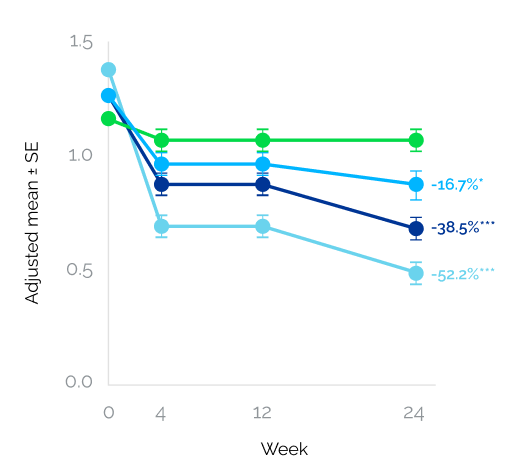
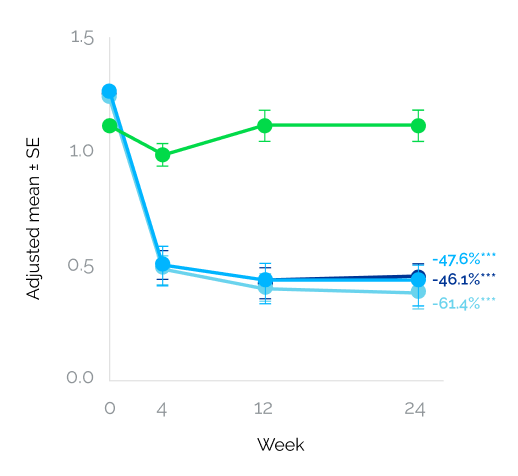
Example of therapy response in clinical trials

B Cell module

[CD19 BACH2 CD22]

Type 1 IFN module

[IF127 IF144 IF44L RSAD2]

Placebo

Iberdomide 0.15mg

Iberdomide 0.3mg

Iberdomide 0.45mg

?

Understanding the MIP Test

The MIP panel measures a patients relative expression of 51 immune system-related genes within 12 immune system expression modules.

Type-1 Interferon (IFN-1)

IFN-1 status is a prognostic factor for disease severity in SLE, including risk of progression to Lupus Nephritis. Many current and developmental therapeutics target IFN-1 along with TLR 7/8 receptors and the JAK/STAT signaling pathway.

Type-2 Interferon (IFN-γ)

IFN-γ plays a key role in T-cell differentiation, immunoregulatory, antiviral and anti-tumor activity. This 3-gene module is being evaluated for therapy response and disease activity in SLE, subtyping in RA, and immunotherapy response prediction in cancer.

B-Cell

Many common immunosuppressive therapies function through a B-cell depletion mechanism including recently approved Obinutuzumab, Rituximab, and Ocrevus. The B-cell module can be used to monitor therapeutic response for B-cell depleting therapies.

Plasmablast/Plasma Cell

This module has been shown to positively correlate with disease activity in SLE and is impacted by B-cell depleting therapies. Measuring these changes may aid clinicians in the early identification of changes in disease activity or potential disease flare.

Low Density Granulocytes (LDG) Neutrophils

Low density granulocytes are a subset of neutrophils that have been implicated in SLE systemic inflammation and disease progression, including kidney damage and progression to lupus nephritis.

T-Cells

The T-cell genes in MIP are looked at individually to help better understand the underlying mechanism of a patient’s autoimmune disease.

T-Cell Exhaustion

In chronic autoimmune disease like SLE, the process of T-cell exhaustion helps inhibit immune response, and exhausted T-cell responses have been associated with better outcomes. T-cell exhaustion mechanisms and markers also play a major role in cancer and how tumors hide from the immune system.

Resources & downloads

BMS Iberdomide Study

Study on longitudinal response of B-Cell and IFN-1 Modules

Download PDF →

Idorsia Cenerimod Study

Pharmacodynamic Response

Download PDF →

Morand MIP Analysis Paper

Analysis of MIP

Download PDF →

DxTerity Modular Immune Profile

White Paper on Modular Immune Profile

Download PDF →

Contact us to support your study

Contact Us

Stay in the know.

Get the latest updates and news.

DxTerity’s patient-focused mission is to bring the power of at-home RNA-based genomic monitoring to improve the management of immune-mediated diseases and overall patient well-being.

Products

Development Services

Technology

News

Contact us

Targeted PANEL Assay

Modular ImmuneProfile Test

Targeted RNA-based immune system analysis for autoimmune disease .

Contact us

Modular Immune Profile* (MIP)

Investigational Use Only (IUO)

Disease and Therapy Monitoring

Modular analysis provides longitudinal visibility of key immune pathways and disease activity allowing patients and researchers insights into changes in disease and response.

Broadening Evidence

The MIP Test is being studied across multiple indications in autoimmune including Systemic Lupus Erythematous (SLE), Lupus Nephritis, Sjogren’s, Multiple Sclerosis, and Rheumatoid Arthritis. Emerging claims include prognosis, and therapy management.

Modular Analysis

The MIP Test provides simultaneous analysis of multiple immune pathways that play crucial roles in autoimmune disease development and progression. MIP is being used for the longitudinal monitoring of a patient’s immune health particularly as it relates to autoimmune disease activity and therapy response.

Example Test Report

For Investigational Use Only. The performance characteristics of this product have not been established

CLINICAL EVIDENCE

MIP facts

30+

Phase II and Phase III Trials investigating various immune pathways

10+

Types of therapy targets including B-Cell, CAR-T, IFN-1, plasmablast, and other mechanisms of action.

12

published peer-reviewed studies

Example of therapy response in clinical trials

B Cell module

[CD19 BACH2 CD22]

Type 1 IFN module

[IF127 IF144 IF44L RSAD2]

Placebo

Iberdomide 0.15mg

Iberdomide 0.3mg

Iberdomide 0.45mg

?

Understanding the MIP Test

The MIP panel measures a patients relative expression of 51 immune system-related genes within 12 immune system expression modules.

Type-1 Interferon (IFN-1)

IFN-1 status is a prognostic factor for disease severity in SLE, including risk of progression to Lupus Nephritis. Many current and developmental therapeutics target IFN-1 along with TLR 7/8 receptors and the JAK/STAT signaling pathway.

Type-2 Interferon (IFN-γ)

IFN-γ plays a key role in T-cell differentiation, immunoregulatory, antiviral and anti-tumor activity. This 3-gene module is being evaluated for therapy response and disease activity in SLE, subtyping in RA, and immunotherapy response prediction in cancer.

B-Cell

Many common immunosuppressive therapies function through a B-cell depletion mechanism including recently approved Obinutuzumab, Rituximab, and Ocrevus. The B-cell module can be used to monitor therapeutic response for B-cell depleting therapies.

Plasmablast/Plasma Cell

This module has been shown to positively correlate with disease activity in SLE and is impacted by B-cell depleting therapies. Measuring these changes may aid clinicians in the early identification of changes in disease activity or potential disease flare.

Low Density Granulocytes (LDG) Neutrophils

Low density granulocytes are a subset of neutrophils that have been implicated in SLE systemic inflammation and disease progression, including kidney damage and progression to lupus nephritis.

T-Cells

The T-cell genes in MIP are looked at individually to help better understand the underlying mechanism of a patient’s autoimmune disease.

T-Cell Exhaustion

In chronic autoimmune disease like SLE, the process of T-cell exhaustion helps inhibit immune response, and exhausted T-cell responses have been associated with better outcomes. T-cell exhaustion mechanisms and markers also play a major role in cancer and how tumors hide from the immune system.

Resources & downloads

BMS Iberdomide Study

Study on longitudinal response of B-Cell and IFN-1 Modules

Download PDF →

Idorsia Cenerimod Study

Pharmacodynamic Response

Download PDF →

Morand MIP Analysis paper

Analysis of MIP

Download PDF →

DxTerity Modular Immune Profile

White Paper on Modular Immune Profile

Download PDF →

Contact us to support your study

Contact Us

Stay in the know.

Get the latest updates and news.

DxTerity’s patient-focused mission is to bring the power of at-home RNA-based genomic monitoring to improve the management of immune-mediated diseases and overall patient well-being.